
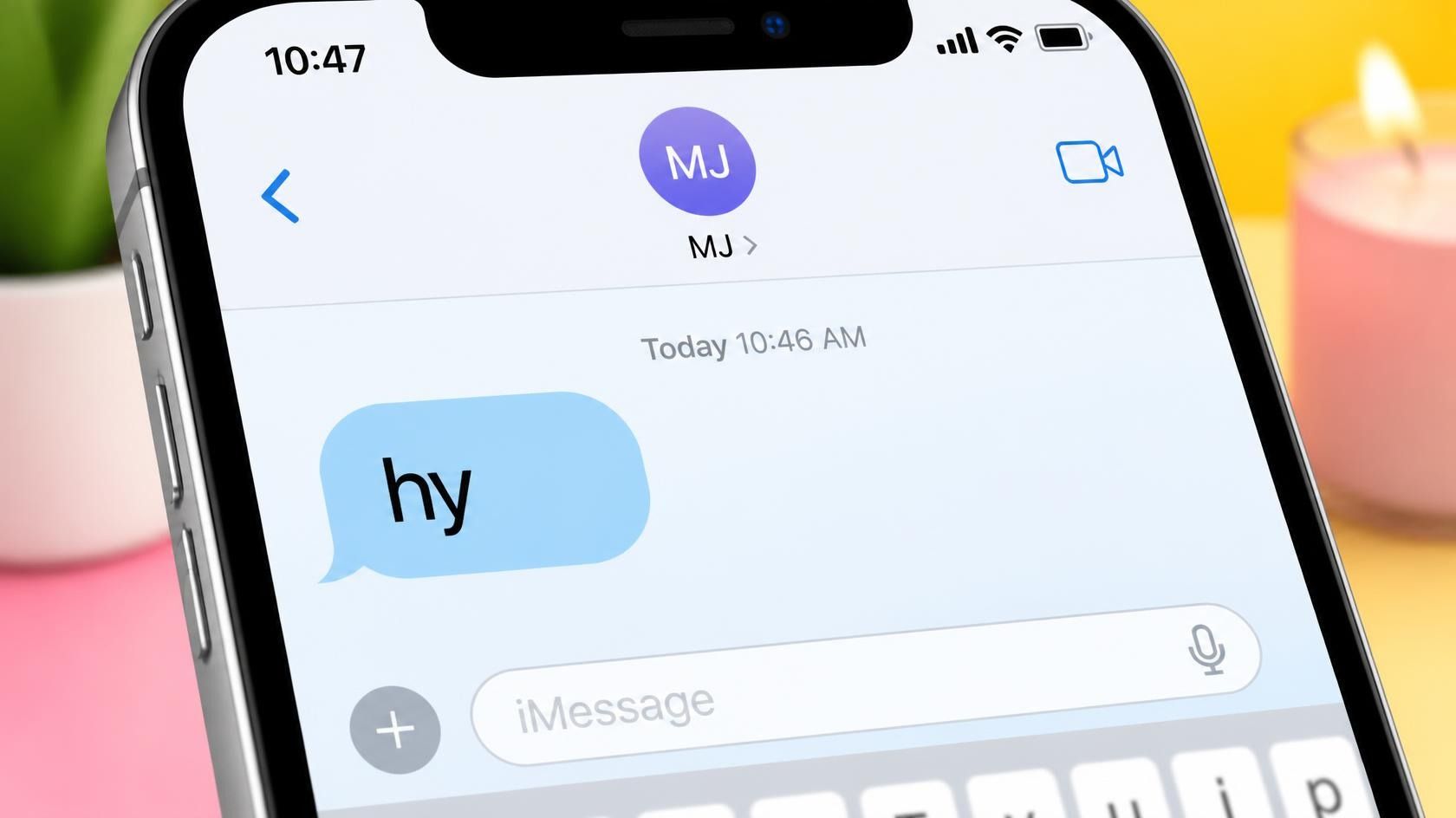

In today’s digital world, people use short words and abbreviations to communicate quickly. One common example is HY. You may see it in text messages, WhatsApp chats, Instagram DMs, TikTok comments, and other social media platforms. But what does HY mean in text, and why do people use it?
In most casual conversations, HY means “Hey” or “Hi.” It is a short and informal way to greet someone or start a conversation. However, its meaning can change depending on the context, the relationship between the people, and the platform where it appears.
Understanding HY can help you interpret online messages more confidently. This guide explains its meaning, common uses, variations, emotional tone, and the best ways to respond.
HY Meaning in Text: Quick Meaning
HY usually means “Hey” or “Hi” in informal digital communication. People use it to greet friends, contact someone they know, or begin a conversation without typing a complete greeting.
The abbreviation is short and easy to type. It works well in casual conversations where people prefer quick messages. However, HY is not a universally standardized abbreviation, so its meaning may vary in certain communities.
Quick Definition
HY means “Hey” or “Hi” in most casual texting situations. It is an informal greeting used to get someone’s attention or open a conversation.
For example, someone might send “HY, what’s up?” instead of writing “Hey, what’s up?” The meaning remains almost the same.
HY is generally friendly and neutral. It does not automatically mean that someone is flirting, feeling romantic, or trying to communicate a deeper emotion.
Examples
Here are a few examples of how people use HY in everyday messages.
- “HY, how are you?” means “Hey, how are you?”
- “HY 😊” is a simple and friendly greeting.
- “HY, are you free today?” starts a conversation and asks about availability.
- “HY bro, what’s going on?” is an informal greeting between friends.
The meaning becomes clearer when you read the complete message instead of focusing only on the abbreviation.
Origin & Background
HY developed alongside the growing habit of shortening words in digital communication. Text messaging, online chat rooms, gaming platforms, and social media encouraged users to communicate with fewer characters.
People began experimenting with abbreviated greetings to save time and create a casual tone. While “Hi” and “Hey” remain more widely recognizable, some users prefer HY as a personal texting style.
There is no single confirmed origin that explains exactly when HY first appeared. Its use can differ between online communities, age groups, and languages. Therefore, it is best to understand HY through the context in which it appears rather than assume it always has one fixed meaning.
Real-Life Conversations
HY can appear in different types of online conversations. Its purpose is usually to start an interaction, but the tone may change according to the situation.
WhatsApp Conversation
On WhatsApp, a friend might send “HY, what are you doing?” to begin a chat. The message is casual and does not require a complicated response.
You could reply, “Hey! I’m just relaxing. What about you?” This keeps the conversation natural and friendly.
Instagram DM
On Instagram, someone might send “HY” after following your account or viewing your content. They may want to introduce themselves or start a conversation.
For example:
Person A: HY!
Person B: Hey, what’s up?
If you do not know the sender, you can keep your response polite and brief. You should not feel obligated to continue a conversation with an unfamiliar account.
Text Message
In a regular text message, HY often works as a quick greeting before a question.
For example:
Friend: HY, are you coming tomorrow?
You: Hey! Yes, I’ll be there.
The abbreviation makes the opening shorter while keeping the message understandable.
TikTok Comments
On TikTok, HY may appear in comments or replies when users want to greet a creator or another commenter. It can also help someone join an ongoing conversation.
The meaning is usually informal. However, the surrounding comment and the relationship between users can affect how the greeting is interpreted.
Emotional & Psychological Meaning
A short greeting can serve different social purposes. Still, it is important not to assume too much about someone’s emotions based on two letters.
Seeking Connection
Someone may send HY because they want to connect with another person. It provides a simple opening without requiring a long introduction.
However, the greeting alone does not prove that the sender misses you or has strong feelings for you.
Breaking the Ice
Starting a conversation can sometimes feel awkward. HY offers an easy way to say hello without thinking of a detailed opening message.
It is especially useful when someone wants to reconnect with an old friend or begin talking to a new acquaintance.
Showing Friendliness
HY can create a relaxed and friendly tone. Among people who already know each other, it may feel natural and familiar.
Emojis, punctuation, and follow-up messages can provide additional clues about the sender’s tone.
Testing Availability
Some people send a short greeting before asking a question or starting a longer conversation. They may want to see whether the other person is available to chat.
Nevertheless, HY does not necessarily mean the sender expects an immediate reply.
Usage in Different Contexts
The meaning and suitability of HY depend on where you use it and who receives it.
Social Media
HY can appear in private messages, comments, and informal online discussions. It is most suitable for casual communication.
For example, a person might write “HY everyone” when joining a group conversation. In a public or professional setting, a clearer greeting may be more appropriate.
Friends & Relationships
Friends often use short greetings because they are comfortable with each other. HY may be followed by a question, joke, or personal update.
In romantic conversations, it can also serve as an opening message. However, it does not automatically indicate flirting or romantic interest. Look at the broader conversation before drawing conclusions.
Work or Professional Settings
HY is generally too informal for formal emails, job applications, business proposals, and messages to unfamiliar clients.
Instead, use greetings such as:
- Hello
- Hi
- Good morning
- Dear [Name]
These options sound clearer and more professional.
Casual vs Serious Tone
HY usually has a casual tone. Its meaning can change when the sender adds more words.
For example, “HY 😊” may sound friendly, while “HY, can we talk?” suggests that the sender wants to discuss something.
The complete message provides more useful information than the greeting alone.
Common Misunderstandings
Although HY is simple, people can misunderstand it when they interpret the abbreviation without considering context.
Mistake 1: Assuming It Means Something Deep
Receiving HY does not necessarily mean someone likes you, misses you, or wants a relationship.
It may simply be a greeting. Pay attention to the person’s overall communication and behavior instead of making assumptions from one message.
Mistake 2: Confusing It With Other Acronyms
HY may have different meanings in specialized communities, technical discussions, or particular online groups.
If the abbreviation appears in an unfamiliar context, ask the sender what they mean. This is more reliable than guessing.
Mistake 3: Using It Professionally
Short slang can appear abrupt in formal communication. A professional email should communicate respect and purpose clearly.
Use “Hello” or “Hi” when contacting a manager, customer, teacher, or colleague for the first time.
Mistake 4: Ignoring Context
The sender’s identity, the platform, and the surrounding conversation all matter.
A greeting from a close friend may feel different from a message sent by an unfamiliar account. Context helps you interpret the message accurately.
Comparison Table
The following table compares HY with other common greetings.
| Greeting | Typical Tone | Common Use |
| HY | Casual and brief | Quick online greetings |
| Hi | Neutral and friendly | Everyday and professional messages |
| Hey | Informal and relaxed | Starting conversations |
| Hyyy | Playful or enthusiastic | Casual chats with friends |
| Hello | Polite and clear | Formal or unfamiliar contacts |
Key Insight
HY usually serves the same basic purpose as “Hi” or “Hey.” The main difference is its informal spelling and personal texting style.
Variations and Types of HY
People sometimes add extra letters or words to make a greeting sound more expressive. These variations do not have official definitions, and their meanings can differ between users.
1. HY
This is the basic form. It usually means “Hey” or “Hi” and works as a short greeting.
2. HYY
The extra letter may make the greeting look more relaxed or playful. It usually retains the same basic meaning.
3. HYYY
Three Y letters can express extra enthusiasm or a more playful texting style. The exact tone depends on the sender.
4. HYY
This spelling is another informal variation. It may be used for emphasis, but there is no universal difference between HYY and HYYY.
5. HY BRO
This greeting combines HY with “bro.” It is commonly intended as a casual greeting to a friend or someone addressed as bro.
6. HY SIS
HY SIS is an informal greeting for a sister, female friend, or someone addressed as sis. It often suggests familiarity.
7. HY THERE
This version adds “there” to create a fuller greeting. It can sound welcoming and conversational.
8. HY EVERYONE
HY EVERYONE is a group greeting. Someone might use it to start a group chat or address several people at once.
9. HY GUYS
This is a casual greeting for a group. Depending on the audience, another phrase such as “Hi, everyone” may be more suitable.
10. HYYY BESTIE
This greeting is playful and affectionate. Friends may use it to express enthusiasm when starting a conversation.
Extra letters can suggest a particular style, but they do not reliably reveal someone’s feelings or intentions.
How to Respond When Someone Uses It
Your response depends on your relationship with the sender and whether you want to continue the conversation.
Casual Replies
Use these replies when messaging a friend or acquaintance.
- “Hey! How are you?”
- “Hi, what’s up?”
- “Hey, how’s your day going?”
Funny Replies
If you already share a playful relationship, a humorous response may work well.
- “Well, hello there!”
- “HY right back at you!”
- “Look who’s online!”
Choose a response that matches your usual communication style.
Mature and Confident Replies
If you want to sound clear and confident, try these options.
- “Hi, good to hear from you. What’s up?”
- “Hey, how can I help?”
- “Hello! What did you want to discuss?”
These replies acknowledge the greeting and give the sender a clear opportunity to continue.
Private or Respectful Replies
If an unfamiliar person sends HY, you can respond cautiously.
For example, write “Hi, do we know each other?” if you want to clarify their identity. You can also ignore the message if it feels uncomfortable or unwanted.
You do not need to share personal information just because someone starts a conversation.
Regional & Cultural Usage
Online abbreviations spread across countries, but their popularity and interpretation are not identical everywhere.
Western Culture
In English-language online spaces, greetings such as “Hi,” “Hey,” and HY may appear in casual chats. Usage depends on personal preference, age group, and platform.
Asian Culture
People across Asian online communities often combine English greetings with local languages and texting habits. HY may appear in some conversations, but it is not a universal expression across the region.
Middle Eastern Culture
Users may mix short English greetings with Arabic or other regional expressions. The intended meaning depends on the language, community, and relationship between the people communicating.
Global Internet Usage
Digital slang travels quickly through messaging apps and social platforms. However, an abbreviation familiar to one group may be unfamiliar to another.
When the meaning is unclear, reading the full message or asking for clarification is the safest approach.
Frequently Asked Questions (FAQs)
What does HY mean in a text message?
HY usually means “Hey” or “Hi.” It is an informal greeting used to start conversations in text messages and online chats.
Is HY the same as HI?
HY often serves the same purpose as HI, but it is less standard. Both are commonly used to greet someone.
Is HY rude?
HY is generally not rude. However, it may seem too informal or abrupt in professional conversations or situations that require a polite tone.
Can HY have different meanings?
Yes, HY may have other meanings in specific communities or technical contexts. The surrounding message helps determine the intended meaning.
Should I use HY in professional emails?
It is better to use “Hello” or “Hi” in professional emails. These greetings are clear, polite, and suitable for workplace communication.
Why do people type HY instead of HI?
Some people use HY because they prefer short, playful, or personal texting styles. There is no single reason everyone chooses it.
Is HY popular on social media?
HY appears in some informal online conversations, but its popularity varies by platform and community. It is not necessarily understood by every user.
Conclusion
HY meaning in text is usually straightforward. It is a casual way to say “Hey” or “Hi” when starting a conversation. People may use it on WhatsApp, Instagram, TikTok, and other messaging platforms to greet friends, contact acquaintances, or begin a discussion.
Its tone can vary depending on the sender and the situation. Extra letters may make it appear more playful, while added words can make the greeting more personal. However, HY does not automatically indicate romantic interest, emotional attachment, or any hidden message.

